


Using Search Intent to Capture High-Net-Worth Donors Before They Select a Charity

The Brutal Truth About Major Donors
Let’s get real for a second. High-net-worth individuals don’t just wake up, pick a charity out of a hat, and write a six-figure check. They treat their philanthropic capital exactly like their investment capital. They do their homework. They look for ROI, efficiency, and impact. If your organization isn’t showing up exactly when they sit down at their laptops to research how to deploy their wealth, you are leaving massive funding on the table.
Too many marketing directors and nonprofit founders are burning their time and energy on fleeting digital trends, hoping to go viral. But hope isn’t a strategy. Capturing high-capacity donors requires a system. That’s exactly why mastering SEO for nonprofit fundraising isn’t just another marketing tactic—it is a critical, scalable growth engine for your mission.
You need to intercept these donors before they even know your charity exists. You do that by mastering search intent. Here is the playbook on how to build a digital presence that captures high-net-worth donors while they are still making up their minds.
Stop Optimizing for Your Name (Start Optimizing for Their Problems)
Here is a massive mistake I see organizations make all the time: their entire digital footprint is optimized around their own brand name. But think about it—if a donor with a newly minted donor-advised fund doesn’t know who you are yet, they aren’t typing your name into Google.
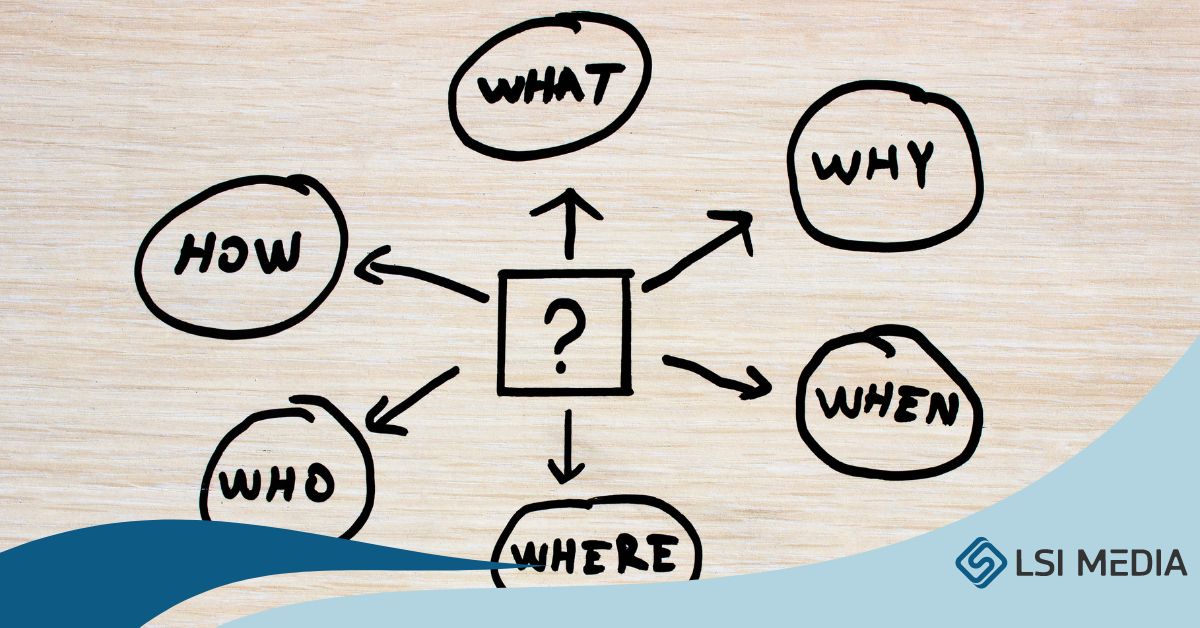
Instead, they are searching for solutions. They are typing in phrases based on their specific intent. Search intent is simply the “why” behind a search query. High-net-worth donors usually fall into three distinct stages of search intent:
- Discovery (The “What”): They are looking for broad information about a cause. They search for terms like “most urgent clean water initiatives” or “how to support childhood literacy.”
- Evaluation (The “Who”): They know the cause, but they are vetting organizations for efficiency. They search for “top-rated charities for veteran support” or “highest impact environmental nonprofits.”
- Transaction (The “How”): This is the bottom of the funnel, and it’s where the biggest checks live. They are looking at the mechanics of giving. They search for “tax benefits of donating appreciated stock,” “how to transfer real estate to a charity,” or “best ways to deploy a donor-advised fund.”
If your website only talks about your founding story and your upcoming gala, you are completely missing the transactional searches. You need dedicated, high-value content that answers these specific financial and impact-driven questions.
Because charitable giving involves financial transactions, Google treats nonprofit websites as “Your Money or Your Life” (YMYL) content, holding them to strict E-E-A-T (Experience, Expertise, Authoritativeness, and Trustworthiness) standards. To satisfy both search algorithms and prospective donors during this evaluation phase, your site needs clear transparency signals, such as linking directly to your profiles on independent vetting platforms like GuideStar and Charity Navigator.
Why SEO for Nonprofit Fundraising Fails (And How to Fix It)
Knowing what these donors are searching for is only half the battle. The other half is execution. And frankly, execution is where most nonprofits drop the ball.
Why? Because in a lot of agencies and organizations, creative and technical work are handled by separate teams working in silos. You have a copywriter drafting a beautiful story about your mission, but the technical team built a website that takes six seconds to load on mobile. Or you have a web developer who builds a flashy site, but bolt-on SEO and accessibility as an afterthought.
At LSI Media, we do things differently. Founded in 2012 by Idris and Sabine Grant, we operate on a simple idea: the same rigorous project management discipline that goes into modernizing a complex government program applies just as well to building your digital presence. We don’t believe in silos.
When we build a custom WordPress site for a nonprofit, the people designing it are simultaneously thinking about how it ranks in search engines and whether it’s fully accessible. We build WCAG 2.1 AA accessibility and SEO into the process from day one. Both of our founders hold the DHS Trusted Tester certification. This isn’t just about compliance; it’s about revenue. Search engines actively reward fast, well-structured, and accessible websites. Furthermore, a significant portion of high-net-worth donors are older demographics—if your donation page isn’t accessible to someone using a screen reader or requiring high contrast, you are actively pushing money away.
Fixing these technical silos means bringing your site up to modern web standards, specifically by addressing Core Web Vitals to ensure pages load smoothly and remain stable for mobile users. Furthermore, technical teams can implement Schema markup—specifically structured data designed for charities and NGOs—to directly feed search engines explicit details about your organization’s mission and programs.
Breaking Free from the Paid Ad Treadmill
Many organizations get trapped in a cycle of paying for digital advertisements to generate visibility, treating donor acquisition as a constant expense. While paid campaigns have their place, relying on them entirely means your traffic stops the moment your budget runs out.
Investing in organic search provides sustainable, long-term reach. By capturing high-capacity donors through organic search results, you build an enduring acquisition channel that delivers value long after the initial effort is made.
The Playbook: Building Your Search Intent System
You are a busy leader. You don’t have time for theory; you need actionable steps. Here is how you start capturing high-net-worth search intent this quarter:
1. Audit Your Existing Content
Look at your website right now. Are you answering the complex questions that major donors have? Just like we run AI audits to assess where enterprise automation makes sense, you need a content audit to see where your gaps are. If you don’t have clear, optimized pages explaining how to give via stock transfers, wire transfers, or donor-advised funds, build those pages immediately.
2. Map Content to the Donor Journey
Don’t just ask for money. Provide immense value first. Create a comprehensive guide on “How to Maximize Your Philanthropic Impact in 2024.” Break down the tax implications, the efficiency metrics, and the real-world impact of different giving vehicles. Position your organization as the trusted advisor, not just the recipient.
3. Nail the Technical and Accessibility Basics
You can have the best content in the world, but if your technical house is a mess, Google won’t serve it to these donors. Ensure your site architecture is logical. Make sure your pages are fast. And critically, ensure your PDFs, annual reports, and donation forms meet WCAG 2.1 AA standards. If you treat accessibility as a bolt-on, it will break your user experience and your SEO.
Once you map out donor search intent, tracking your visibility requires tools like Google Search Console to monitor which queries actually bring supporters to your site. Additionally, organizations often supplement their organic search optimization by applying for Google Ad Grants, a program that provides eligible nonprofits with search advertising credits to appear for high-intent keywords alongside organic results.
Mapping Intent to Your Pages
Once you understand the specific problems your prospective major donors are trying to solve, you must explicitly map those search intents to individual pages on your website. Assigning a clear, intent-driven focus to each page prevents your own content from competing against itself in search results.
Place these targeted phrases in the spaces search engines prioritize, such as page titles and headers. By clearly aligning your site’s structure with donor intent, you create a frictionless path from their initial search directly to your mission.
Treat Your Marketing Like a Business Process
At the end of the day, hoping the right donor finds you is a losing game. You need to engineer a system that consistently puts your mission in front of the people with the capital to fund it.
That requires merging beautiful, mission-driven storytelling with rock-solid technical execution and project management discipline. Whether it’s full website design, ongoing social media management to keep your community engaged, or creating kinetic typography explainer videos that break down complex giving strategies, every digital touchpoint needs to be optimized for growth.
Stop treating your digital media as purely creative, and start treating it as a measurable business process. If you’re ready to stop working in silos and start building digital systems that actually drive major gifts, it’s time to get to work.
Turning Search Visibility into Mission Impact
Getting a prospective major donor to your website is only the first half of the equation. If your landing pages do not provide a clear, compelling path to take action, that hard-earned organic traffic will simply leave.
You must guide these visitors toward meaningful engagement, whether that is downloading an impact report, contacting your major gifts officer, or exploring specific ways to give. Optimizing for these conversions is what ultimately translates search visibility into tangible funding.
© LSI Media LLC