


Structuring End-of-Year Giving Campaigns When Donor Fatigue is High

It’s Q4. The countdown clock is ticking. You’re staring down the barrel of December 31st, and if you’re a marketing director, an agency founder, or a leader driving growth for a purpose-driven organization, you already know what you’re up against: a massive wall of noise.
Key takeaways
- Donor fatigue is often a symptom of lazy messaging and failing to segment your audience properly.
- Treat donors like investors by highlighting operational efficiency and measurable ROI instead of begging.
- Stop sending generic blast emails to your entire CRM; segment your pipeline for a targeted approach.
- Shift campaign messaging from asking donors to fund your existence to inviting them to scale impact.
Every single organization on the planet is asking your audience for money right now. Inboxes are flooded. Mailboxes are stuffed. Social feeds are a barrage of “urgent” pleas. As a result, donors are overwhelmed, tapped out, and tuning out.
But listen to me: when it comes to your end of year giving campaigns, the old playbook of sending five generic blast emails and hoping for the best is completely broken. If you want to cut through the noise, you can’t just yell louder. You have to get smarter.
You need a system. You need operational efficiency. And most importantly, you need to treat your donors like the savvy investors they are. Here is the exact playbook for structuring your campaign when donor fatigue is at an all-time high, so you can drive massive impact without burning out your team.
The Hard Truth About “Donor Fatigue”
Let’s call it what it is. Is donor fatigue real? Absolutely. A significant percentage of all annual charitable giving happens in the last three days of the year (source), which means the competition for attention in December is brutal.
But here is the hard truth that most marketers don’t want to admit: what we call “donor fatigue” is often just a symptom of lazy messaging and zero segmentation. People don’t get tired of investing in winning solutions. They get tired of being treated like an ATM.
Your audience—especially the high-net-worth individuals and business leaders you want to attract—is driven by ROI. They want to see operational efficiency. They want to know that their capital is creating a measurable result. If your campaign is just a desperate plea for funds to “help us reach our goal,” you are going to lose. You have to flip the script. Stop asking them to fund your existence, and start inviting them to scale your impact.
Segment Your Pipeline (Stop the Spray-and-Pray)
If you are a time-poor marketing director trying to do a million things at once, the temptation is to write one solid email, load it into your CRM, and blast it to your entire database. Do not do this.
You don’t need a bigger list to hit your year-end goals; you need a better system. High-leverage marketing requires segmentation. When you segment, you increase relevance. When you increase relevance, you reduce fatigue.
Before you launch anything, organize your list into three distinct buckets:
- The Core Investors (Recurring & Major Donors): These people already buy into your vision. Do not send them the standard “please give” email. Send them an “insider update” on what they’ve already helped you build, and ask them to help you scale it to the next level.
- The Lapsed Supporters: They gave in the past but went dark. They don’t need a guilt trip; they need a re-engagement hook. Show them the specific ROI of what’s happened since they last gave.
- The Warm Audience (Subscribers who haven’t given): These are the folks who read your content but haven’t pulled out their wallets. They need your best, most compelling entry-level offer. Give them a highly specific, low-barrier way to make an immediate impact.
The Framework for High-Converting End of Year Giving Campaigns
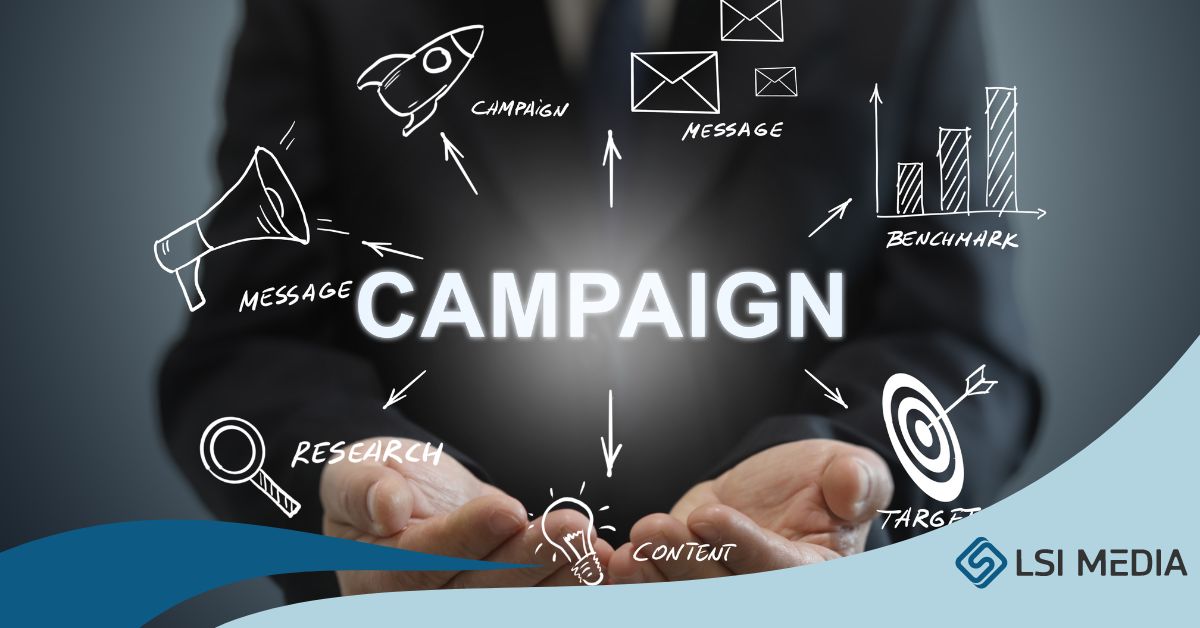
Now that your list is segmented, you need a campaign structure that builds momentum rather than annoyance. We do this by breaking the campaign down into three distinct, systemized phases.
Phase 1: The Gratitude Warm-Up (Early November)
If the first time someone hears from you in Q4 is an ask for money, you’ve already lost. You have to deposit value before you attempt a withdrawal.
Dedicate the first phase of your campaign entirely to gratitude and impact reporting. Send a beautifully crafted, story-driven update. Show them the data. Show them the human faces behind the numbers. Let them know what your organization achieved this year because of people just like them. No ask. No donation button. Just pure value and proof of concept.
Phase 2: The ROI-Driven Ask (Giving Tuesday through Mid-December)
When it’s time to make the ask, make it tangible. Business-minded donors don’t want to fund overhead; they want to fund outcomes.
Instead of saying, “Please give to our general fund,” structure your offer like a product. Say, “A $500 investment fully equips one classroom with the technology needed for the entire year.” Give them a clear, binary outcome. When they can visualize exactly what their money does, the friction to donate drops to near zero.
Phase 3: The Urgent, Automated Close (The Final 72 Hours)
This is where the magic happens, but it’s also where marketing teams get the most overwhelmed. The final three days of the year require urgency, but you don’t have the time to manually manage it.
This is where you leverage your technology. Set up automated behavioral triggers in your CRM. If someone clicks the donation link on December 29th but doesn’t complete the transaction, your system should automatically send a personalized, plain-text follow-up email 12 hours later. It shouldn’t look like a glossy marketing brochure; it should look like a quick note from the founder’s iPhone checking in. Systematize the follow-up, and you will capture the revenue that usually slips through the cracks.
Leverage Tech to Buy Back Your Time
I get it. The digital marketing landscape is evolving faster than ever. Between new AI tools and complex CRM updates, it’s easy to feel paralyzed. But here is the deal: technology should buy back your time, not drain it.
Don’t get distracted by shiny object syndrome. You don’t need a perfectly optimized, multi-channel AI predictive model to win at year-end. You need a few simple automations that run flawlessly.
Use AI to help you draft subject line variations and outline your email copy, but keep the human soul in the messaging. Build out your email sequences in advance. Schedule the social posts. Automate the tax-receipt delivery. By systemizing the repetitive administrative tasks, you free yourself up to do the high-leverage work: getting on the phone with your top 20% of donors to secure major gifts.
Your Next Move
End-of-year donor fatigue isn’t an excuse; it’s a structural challenge. And as a leader, you solve challenges by building better systems.
Stop playing the volume game and start playing the leverage game. Segment your audience. Lead with impact and ROI. Systematize your follow-up.
Here is your homework: open up your CRM today. Don’t look at the whole list. Pull a report of just your top 50 donors from the last 24 months. Draft a personalized, plain-text email to those 50 people thanking them for their past support and sharing one massive win your team had this year. No ask yet. Just start warming the engine. Build the system, execute the play, and go crush your year-end goals.
Frequently asked questions
What is the real cause of donor fatigue during end-of-year campaigns?
While competition for attention in December is brutal, donor fatigue is often a symptom of lazy messaging and zero segmentation. Donors become exhausted when they are treated like an ATM rather than savvy investors.
How should organizations message donors at the end of the year?
Organizations should treat donors like investors by focusing on ROI and operational efficiency. Instead of making desperate pleas to reach a fundraising goal, invite them to scale your impact and show how their capital creates measurable results.
Why should nonprofits avoid sending the same end-of-year email to their entire database?
Sending a single, generic email to an entire database treats donors like ATMs and contributes to audience fatigue. To cut through the end-of-year noise, organizations must segment their pipelines and use targeted messaging.
What is the most effective way to stand out during Q4 fundraising?
Organizations must abandon the old playbook of generic email blasts and stop simply trying to yell louder. Instead, they need to build a segmented system focused on operational efficiency that proves to donors their capital is creating a measurable result.
© LSI Media LLC










































































































































































![How COVID-19 Changed the Way We Think About Office Technology [New Research]](https://www.lsi-media.com/wp-content/uploads/2020/12/5183-8616-OfficeTechnology_8XhtV1.jpg "How COVID-19 Changed the Way We Think About Office Technology [New Research]")