



The Executive’s Guide to Transitioning from Paid Acquisition to Content-Led SEO

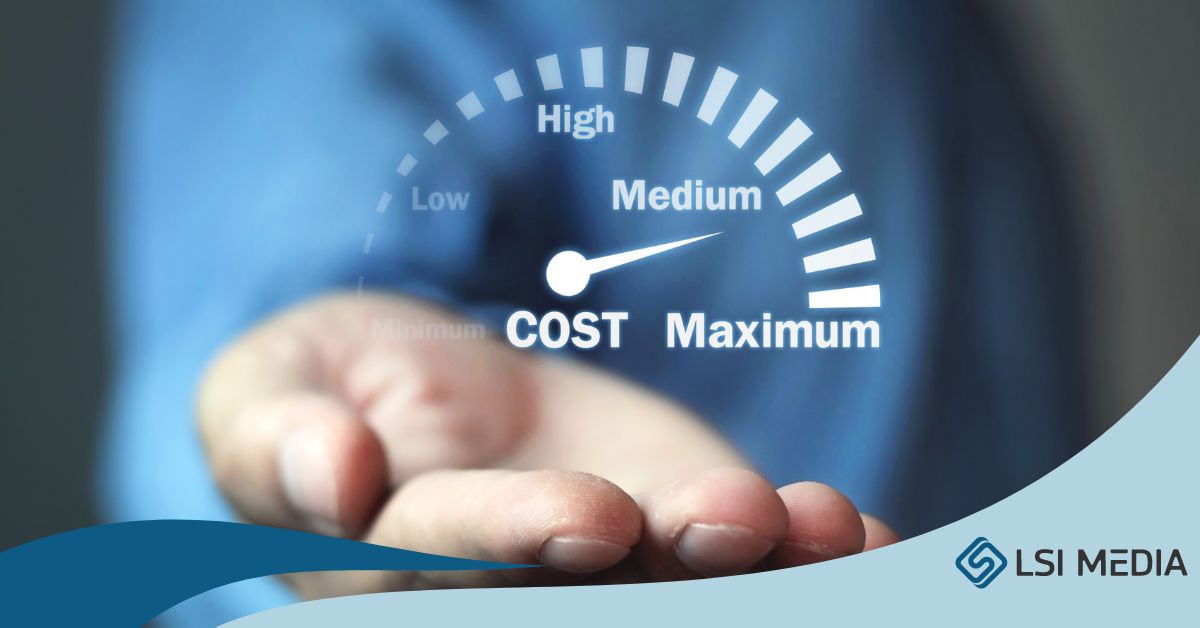
Listen, if you are an executive or founder scaling a business right now, you already know the pain. You are pouring cash into Google and Meta, and every single quarter, it feels like you are paying more just to maintain the exact same lead volume. Customer acquisition costs (CAC) for paid channels have been steadily skyrocketing across almost every B2B and B2C sector.
You are running on a paid acquisition treadmill. The second you pause your ad spend, your pipeline dries up. That is not a sustainable business model—that is an addiction. To build true leverage and scalable enterprise value, you need to own your traffic, not rent it. That is exactly why the smartest leaders are aggressively shifting their budgets to build a robust content led seo strategy. It is the ultimate playbook for stepping off the treadmill and building a growth engine that compounds over time.
Why Renting Attention is Breaking Your Margins
Paid acquisition is a fantastic tool for speed. If you need to test an offer, validate a market, or inject quick cash flow into your business, run ads. But relying on it as your primary growth lever for a decade? That is a recipe for shrinking margins and constant executive stress.
When you buy ads, you are renting digital real estate. The platforms control the pricing, the algorithms, and the rules of engagement. You are at their mercy. And here is the reality check: your competitors are bidding on the exact same keywords, driving the floor price up day after day.
To scale operations efficiently, you have to transition from an expense mindset to an asset mindset. A well-written piece of highly optimized content is a digital asset. You pay for it once—or invest your team’s time once—and it can generate qualified traffic, leads, and revenue for years.
What Exactly is a Content Led SEO Strategy?
Let’s get one thing straight: I am not talking about slapping up a 500-word blog post about your company retreat or writing generic thought leadership pieces that no one is actually searching for. That is a waste of your time and your budget.
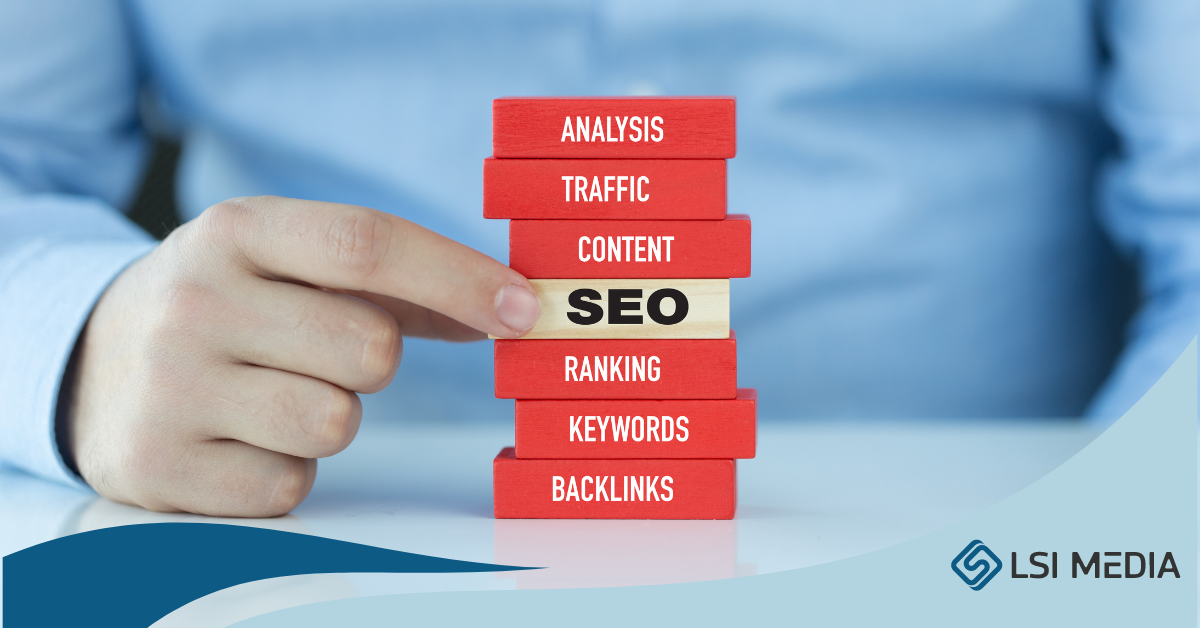
A true content led seo strategy is a systematic, revenue-focused approach to organic growth. It means engineering high-quality, deeply informative content that specifically answers the exact questions your ideal buyers are typing into search engines when they have their credit cards out.
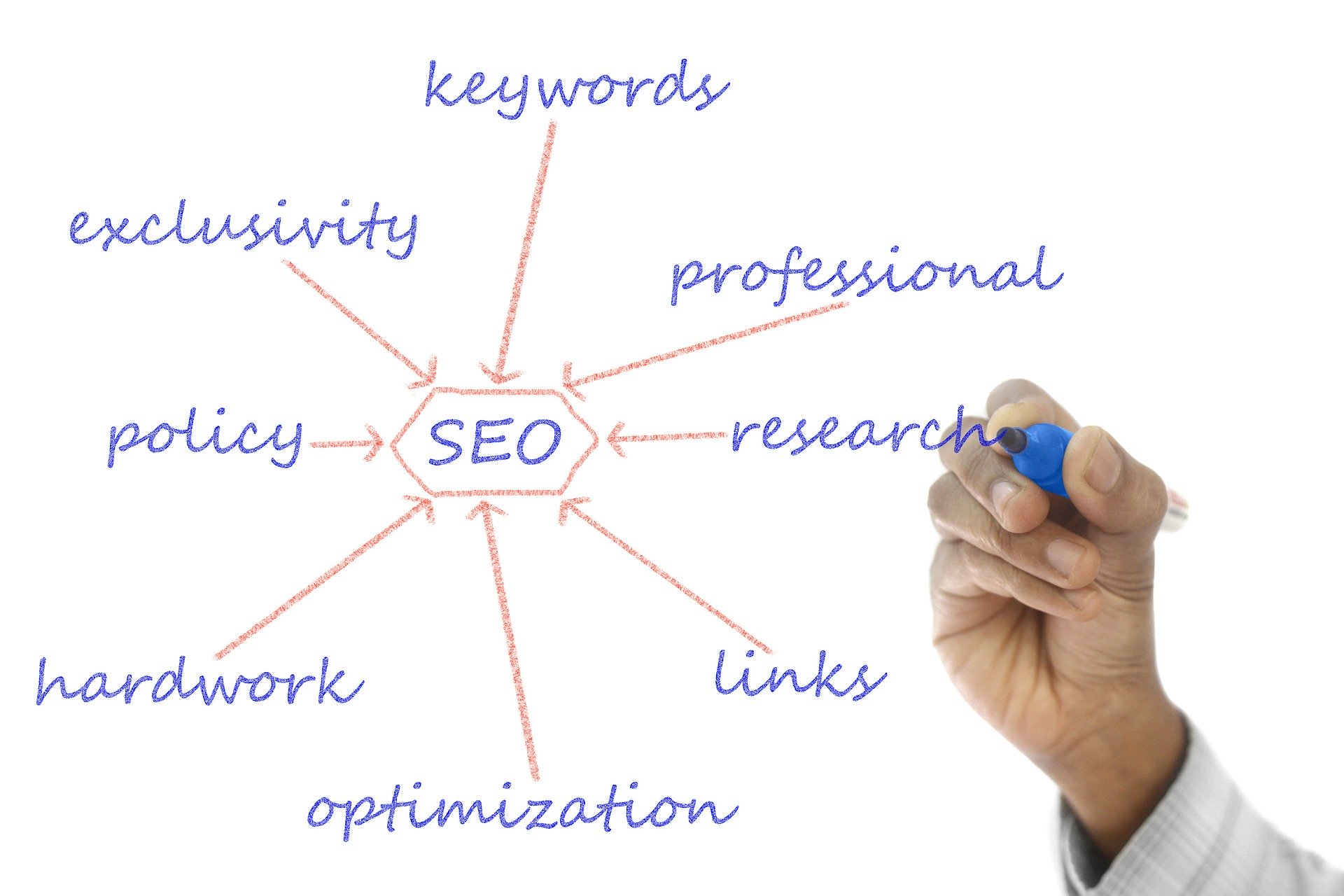
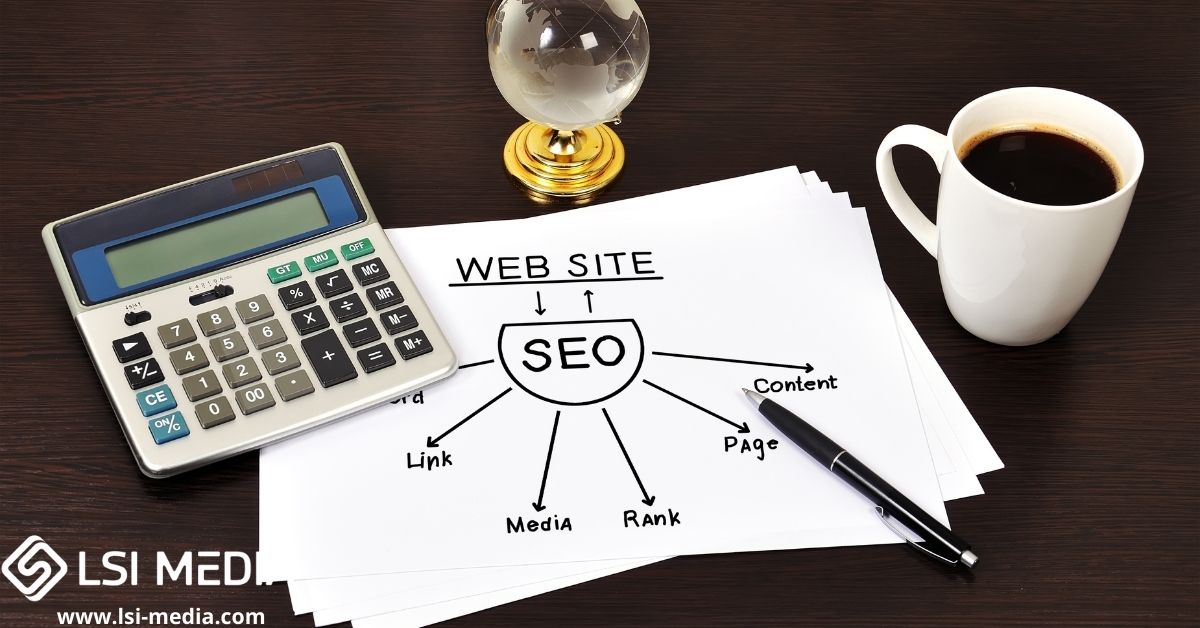
It marries the technical foundation of SEO (making sure Google can crawl and understand your site) with world-class content that actually converts readers into buyers. It is about becoming the undisputed authority in your niche, so that when your target demographic is looking to solve a problem, your brand is the only logical choice.
The Executive Playbook: A 3-Step Transition Plan
You cannot just turn off your paid ads on a Friday and expect organic content to replace that revenue on Monday. This transition requires a strategic, phased rollout. Here is the playbook for making the shift without tanking your current cash flow.
Step 1: Mine Your Paid Ads for Organic Gold
Do not throw away the data you have already paid for. The fastest way to win with SEO is to look at your historical paid search data. Identify the exact search terms and keywords that have consistently driven the highest conversion rates and the most profitable customers over the last twelve months.
Take those high-converting paid keywords and make them the absolute top priority for your organic content team. You already know these terms make money. Now, your goal is to rank for them organically so you can eventually turn the paid ad off and capture that demand for free.
Step 2: Attack the “Bottom of the Funnel” First
Most marketing agencies get this wrong. They want to write top-of-funnel fluff to drive massive traffic numbers. As an executive, you do not care about traffic; you care about pipeline and revenue. Start by building content at the bottom of the funnel. Answer the hard questions your sales team gets on every single discovery call:
- Pricing and Costs: Write detailed guides on how much your solution costs and what factors influence that price.
- Comparisons: Create “Vs.” content (e.g., “Your Product vs. Competitor Product”). If you don’t write it, your competitors will.
- Best in Class: Publish lists of the best tools or services in your industry.
- Case Studies: Document exactly how you solved specific problems for specific types of clients.
Step 3: Operationalize Your Content Engine
You cannot rely on inspiration. You need a system. If you want this to work, you have to treat content creation like a manufacturing line. Build a standard operating procedure (SOP) that takes a keyword from research, to brief, to draft, to editing, to publishing, and finally, to distribution.
Whether you keep this in-house by hiring a dedicated content manager and writers, or you partner with a specialized SEO agency, the process must be ruthless, consistent, and measurable. Volume matters, but quality is the ultimate differentiator.
Measuring ROI: Shifting Your Metrics
Transitioning to organic content requires a shift in executive mindset. Paid ads offer a dopamine hit of instant gratification. SEO is a lagging indicator. It requires patience, but the payoff is exponential.
In the first 90 days, you should not be looking at revenue from SEO. You should be tracking leading indicators:
- Are we publishing on schedule?
- Are our new pages being indexed by search engines?
- Are we seeing month-over-month growth in organic impressions?
By months six through twelve, you transition to tracking pipeline metrics: organic traffic growth, lead velocity from organic channels, and ultimately, the reduction in your blended customer acquisition cost.
Your Next Move
The time to plant the tree was three years ago. The second best time is today. Every day you wait to build your organic engine is another day you are forced to pay the toll to ad networks just to keep your business alive.
Take 10% to 20% of your paid media budget this quarter and reallocate it to building a revenue-focused SEO content machine. Keep the ads running to maintain your baseline, but start building the asset that will eventually set you free. Own your audience, systematize your growth, and buy back your marketing budget.























































































































































![How COVID-19 Changed the Way We Think About Office Technology [New Research]](https://www.lsi-media.com/wp-content/uploads/2020/12/5183-8616-OfficeTechnology_8XhtV1.jpg "How COVID-19 Changed the Way We Think About Office Technology [New Research]")