



What Services Should a Full-Service Digital Marketing Agency Offer?

(And how to know you've actually found one)
The phrase "full-service digital marketing agency" gets thrown around a lot. Almost every shop with a website and a logo claims it. The problem is that the label means very little on its own, and business owners often don't find out what was missing until a project stalls, a budget runs out, or a website launches that nobody can actually use.
So let's get specific. Here's what a real full-service agency should offer, what to watch out for, and how to tell the difference between an agency that lists services on a page and one that can actually deliver them in a way that works together.
The Baseline Checklist
At a minimum, a full-service agency should be able to deliver:
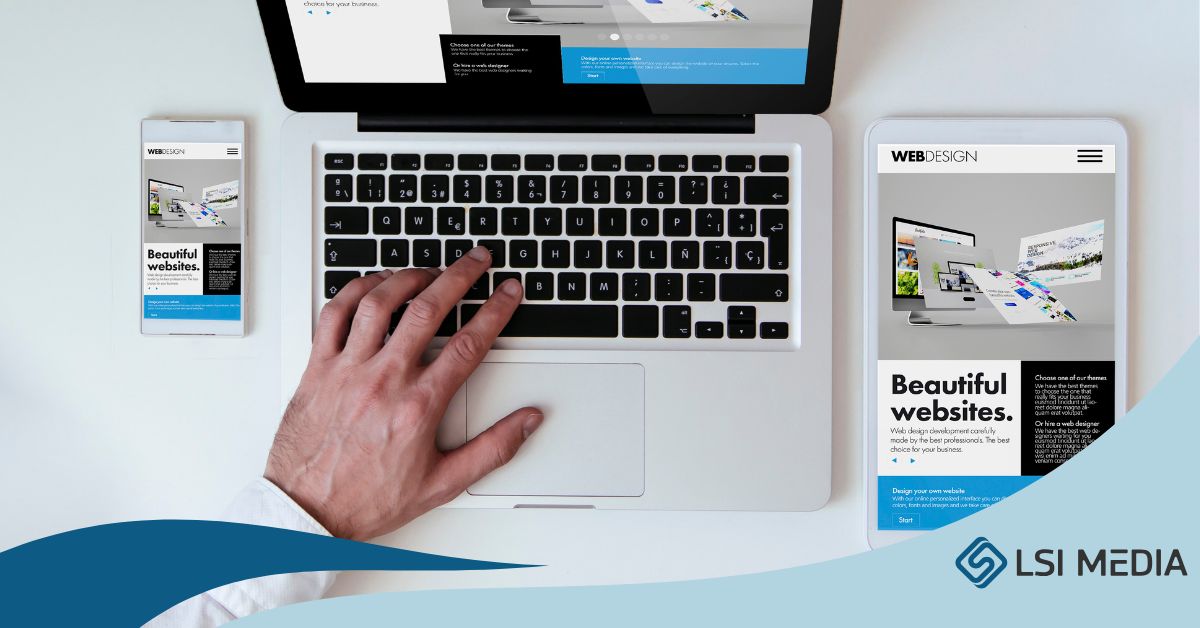
Website design and development, including UI and UX
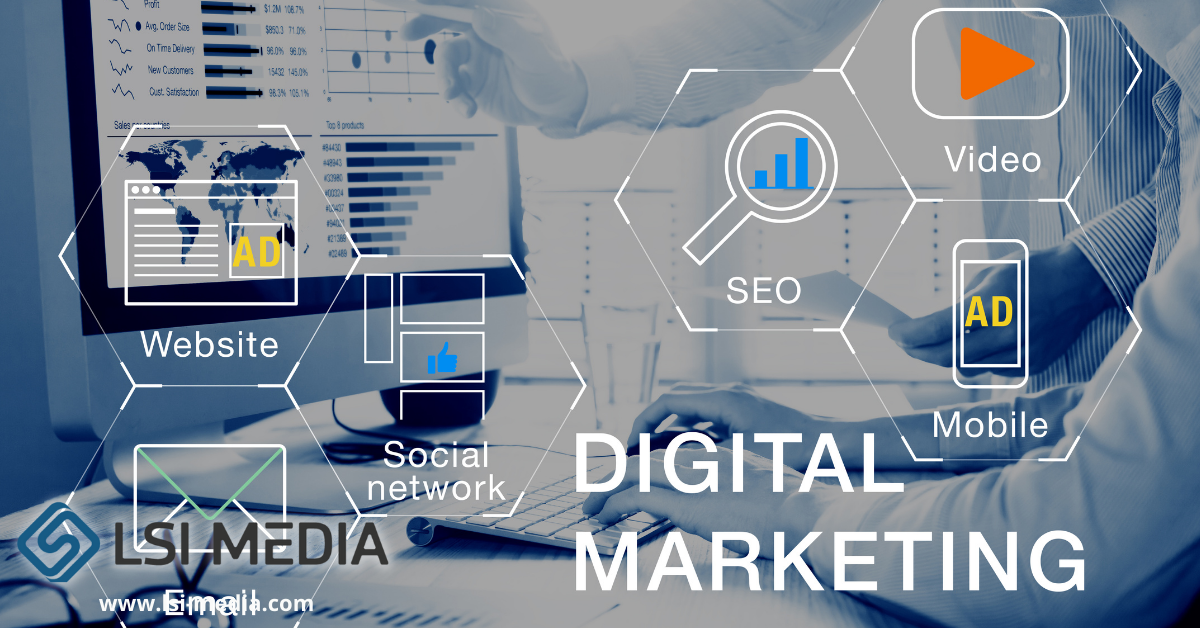
Social media management and content creation
Social media advertising across platforms
Graphic design
Video editing
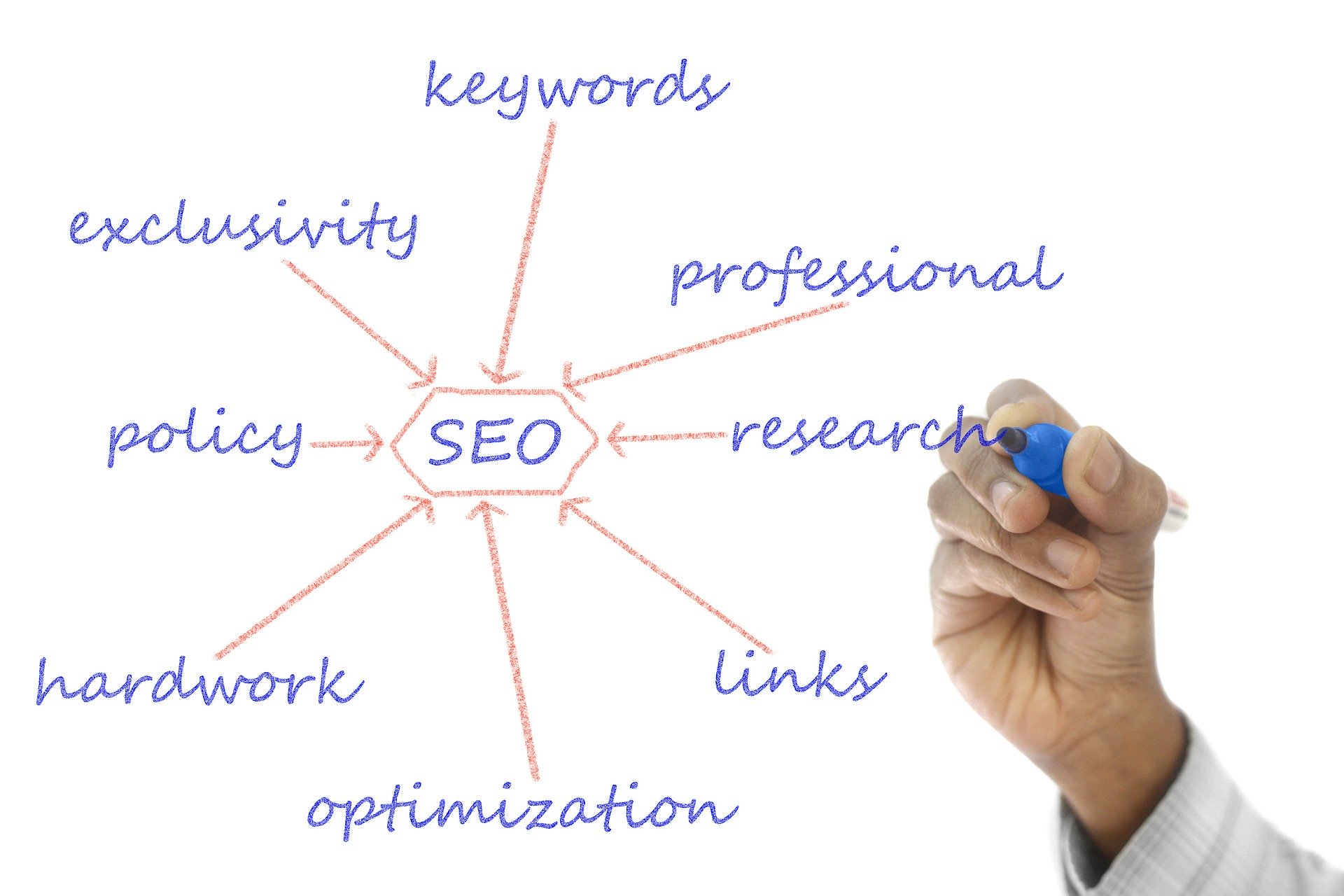
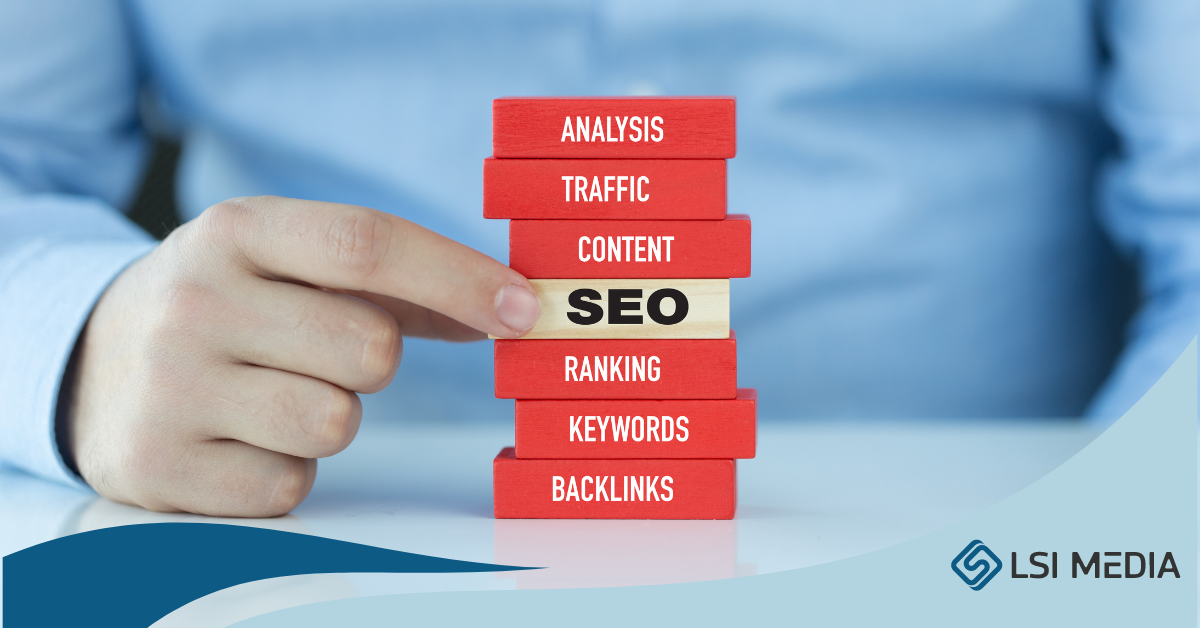
Search engine optimization, including keyword research and ongoing work
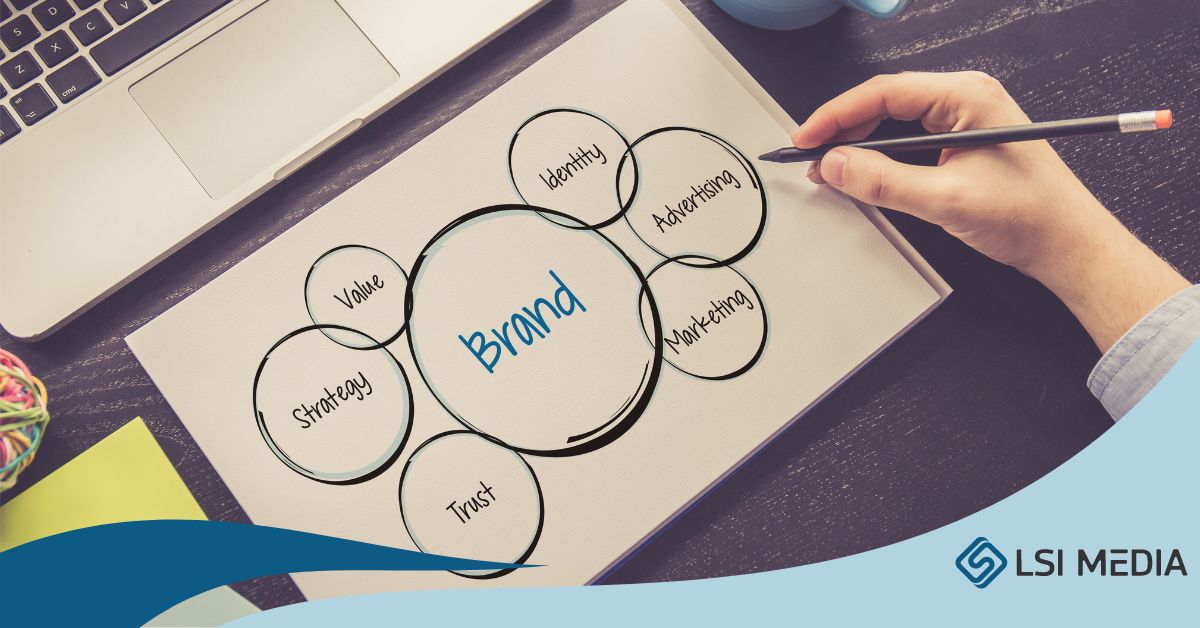
Brand identity development or brand refresh work
Accessibility-compliant builds (more on that below)
That's the service list. But the list alone isn't the test.
Before you hire anyone, look at how long they've been in business. Five years or more is a reasonable floor. Ask to see actual completed projects across multiple service areas, not just one. An agency that's great at logos but has built three websites in their entire history is not full-service. They're a design shop with extras.
Where clients get burned the most
In our experience, the biggest pain point is web development, and it usually fails for one of three reasons.
The budget was too low to include the work that actually makes a website perform. That means no real keyword research, no SEO foundation, and no accessibility built in from the start. The site looks fine on launch day and then sits there doing nothing for the business.
The agency didn't do enough discovery. They didn't research the client's industry. They didn't ask enough questions about the audience. They didn't make real recommendations about direction, tone, or strategy. So the client, who may not be a marketing expert, ended up driving decisions they weren't equipped to drive.
The developer disappeared. This happens more than people want to admit. The project drags on for months, communication slows, and eventually the client realizes the deposit is gone and the site was never finished.
The other common burn happens with social media. Two things to watch:
Paid ad targeting is often weak. The agency boosts posts or sets up campaigns without doing the audience research to know who they're actually trying to reach.
And ownership of social accounts gets lost. This is especially common with organizations that have had leadership turnover over the years. Admin access to the original business accounts on platforms outside of Meta can quietly disappear, and rebuilding it is painful. A good agency asks about account ownership and access on day one.
Discovery is where projects live or die
We once took on a client who had been through a previous agency. They didn't feel mistreated exactly, but they were left in a strange spot. The agency had never figured out what the website was actually for. Was it informational? A lead generator? Aggressive and sales-forward? Quietly authoritative? Nobody had asked, and nobody had answered.
That decision has to be made before the first line of code is written. Otherwise, the build is just guesswork.
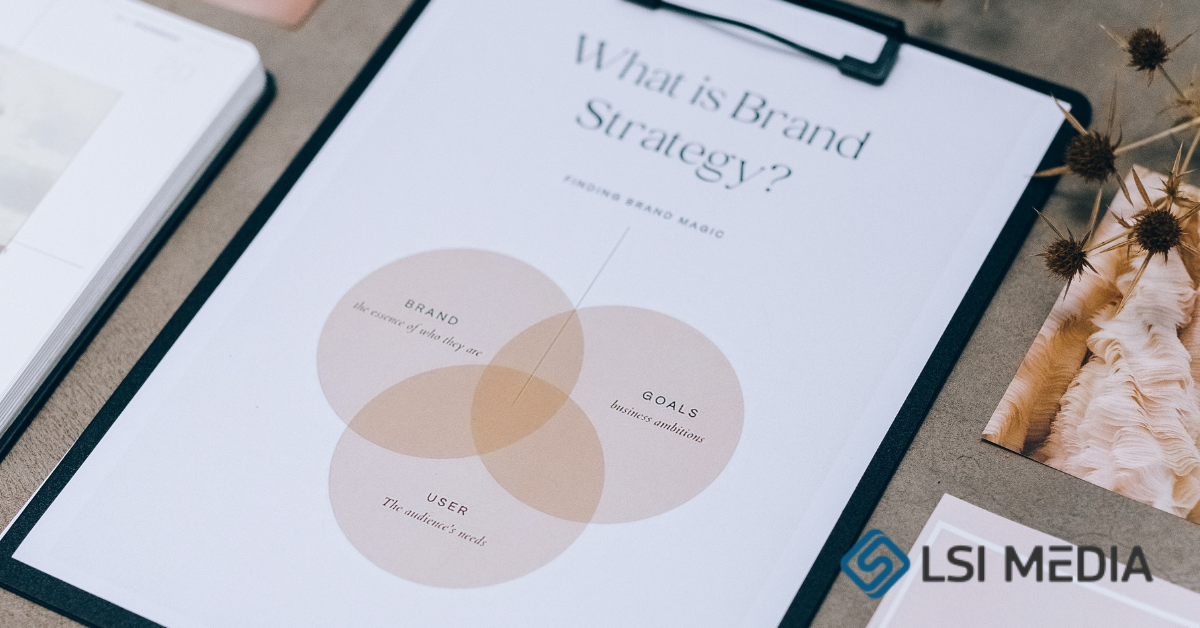
A real discovery process looks something like this. The agency does its own research before the first meeting, so they're not asking the client to explain their own industry from scratch. They ask for everything: existing website content, presentation decks, brand documents, organizational background, mission and vision and values. They run the client through a structured checklist designed to surface who the organization is, what it does, and most importantly, who it serves.
For nonprofits, that last question splits in two. Who are your donors, and who is the population you serve? Those are often very different audiences, and the website has to speak to both. An agency that doesn't understand that distinction isn't ready to build for a nonprofit.
Serving nonprofits is its own discipline
If you're a nonprofit hiring an agency, look for one that understands a few things about how you actually operate.
Your team is probably small. Time is tight. Status meetings have to be efficient and to the point. You need an agency with an online project management system that lets you communicate asynchronously, leave comments, and check progress without having to schedule a call every time.
Budgets are tighter than they are for commercial clients. A good agency will be honest about what fits inside your budget and recommend the services that will have the biggest impact, rather than upselling things you don't need yet.
Integration is the real test of "full-service"
Anyone can list services on a page. The harder thing, and the thing that separates real agencies from collections of freelancers, is integrating those services so each one strengthens the others.
Here's what that looks like in practice. A project starts with the brand. Is there an established identity? Does it need a refresh? Is there a brand kit to work from? That answer drives the visual framework for the website, including colors, typography, and tone. The content gets written to that same identity, and the SEO work shapes how the content is structured. Accessibility is built in as the site is developed, not patched on at the end. And then the same brand framework flows into social media templates, post designs, reels, and the voice used in captions and ad copy.
When all of that connects, the work compounds. When it doesn't, you end up with a website that looks one way, social posts that look another, and ads that sound like they belong to a different company entirely.
Why WCAG 2.1 AA compliance is not optional
Accessibility is one of the clearest dividing lines between agencies that say “full-service” and agencies that mean it.
Building to WCAG 2.1 AA standards forces good practice across the board. Every image needs meaningful alt text. Content has to be written clearly. The interface has to work with a keyboard alone. It has to work with a screen reader. Color contrast has to meet ratios that real people can read. The UX gets simpler because it has to.
All of that also helps SEO. Search engines reward the same things screen readers reward: clean structure, descriptive text, readable content, fast and predictable interfaces. The work isn’t separate. It’s the same work.
The cost of ignoring it is real. Some jurisdictions and sectors now require accessible websites by law. Beyond that, an inaccessible site simply locks out a meaningful share of the population, whether they’re customers, donors, students, or community members. That’s audience you’re choosing not to reach.
Red flags during a project
Once you've hired someone, watch for these signs.
The agency goes quiet. Long gaps between updates are not normal. You should always know what’s being worked on.
You don’t have access to the development site. Once a sandbox is stood up, you should be able to see progress. If you’re being asked to wait for a “big reveal,” that’s a problem.
Status meetings are vague or infrequent. You should know what’s done, what’s next, and what’s blocking the work.
The discovery felt thin. If you walked out of the kickoff and felt like the agency didn’t really understand your organization, your history, or who you serve, that gap will widen over the course of the project.
Nobody is talking about goals. For a nonprofit, the goal is usually more donors and better reach to the population you serve. For a business, it’s leads, sales, or visibility. If the agency isn’t tying design and content decisions back to those goals, the project isn’t anchored to anything.
What "full-service" looks like after launch
A real full-service relationship doesn't end at launch. It shifts.
You should expect ongoing maintenance, both for security and for content. Periodic content updates keep the site fresh and give search engines a reason to revisit. A regular blog cadence does the same work, and it gives you something to share across social channels.
There's also a newer piece of this that most agencies aren't talking about yet. Large language models and AI search agents are increasingly how people find information. That means the content on your website needs to be genuinely useful, clearly written, and well-structured, so that AI systems can find it, understand it, and surface it to users. The same principles that make a website accessible and SEO-friendly also make it AI-discoverable. Agencies that aren't thinking about this yet will be playing catch-up soon.
The one mindset shift
If you take only one thing from this, take this.
A full-service agency relationship is a partnership, not a vendor transaction.
The agency should understand your mission well enough to repeat it back to you, and you should hear it and think, “Yes, that’s exactly who we are.” They should know who you serve, who your donors or customers are, and what success actually looks like for your organization. If they can’t mirror that back to you accurately during the discovery phase, the rest of the project will struggle, no matter how long the services list is.
You can’t get a strong outcome without that partnership. It runs through every part of the work, from the first discovery conversation to keyword research, content development, web build, social strategy, and the long tail of maintenance and growth after launch.
The services list tells you what an agency can do on paper. The partnership tells you whether they can actually do it for you.
Looking for an agency that works this way? Book a discovery call with LSI Media, or take a closer look at our services to see how the pieces fit together.




























































































































![How COVID-19 Changed the Way We Think About Office Technology [New Research]](https://www.lsi-media.com/wp-content/uploads/2020/12/5183-8616-OfficeTechnology_8XhtV1.jpg "How COVID-19 Changed the Way We Think About Office Technology [New Research]")